Hearing that you need spine surgery is a life-altering moment. For decades, patients suffering from chronic back or neck pain have been given a singular, standard recommendation by traditional neurosurgeons: spinal fusion.
But if you are exploring surgery for degenerative disc disease, weighing herniated disc surgical options, or looking into severe cervical stenosis surgery, you should know that fusion is no longer your only choice. Before you commit to a procedure that permanently locks your vertebrae together, it is critical to explore modern spinal fusion alternatives.
Here is why seeking a second opinion on artificial disc replacement surgery could be the most important medical decision you make.
The Big Debate: Disc Replacement vs Spinal Fusion
To understand why so many patients are pivoting away from traditional methods, you have to look at the mechanics of both surgeries. Spinal fusion involves removing a damaged disc and using bone grafts and hardware to weld two or more vertebrae together into a single, solid bone.
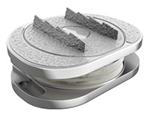
By contrast, an artificial disc replacement (clinically known as a total disc arthroplasty) involves removing the damaged disc and inserting a specialized, articulating implant that mimics your natural anatomy.
When comparing disc replacement vs spinal fusion, the fundamental difference comes down to one crucial concept: motion preservation spine surgery. Whether you are looking at cervical disc replacement vs spinal fusion for neck pain or lumbar disc replacement vs fusion for lower back pain, the goal of replacement is to maintain your natural flexibility rather than eliminate it.
Why Patients Fear Spinal Fusion
While fusion can be highly effective for certain conditions like severe spinal instability, many patients begin researching alternatives because they want to avoid spinal fusion long term problems.
The most common concerns include:
• Loss of mobility after spinal fusion: Fusing bones together inherently restricts how far you can bend and twist.
• Spinal fusion adjacent segment disease: This is the most significant drawback of fusion. Because the fused section no longer moves, the discs immediately above and below it must absorb extra stress. Over time, these adjacent discs break down rapidly, often leading to a failed spinal fusion revision surgery years later.
The Power of Motion Preservation
So, is artificial disc replacement better than spinal fusion? For many eligible patients, the answer is a resounding yes.
By utilizing FDA approved artificial discs, surgeons can now perform both cervical disc arthroplasty and lumbar total disc replacement with incredible precision. These implants allow the spine to move naturally, which drastically reduces the mechanical stress placed on the rest of your spine—effectively protecting you against adjacent segment disease.
When looking at artificial disc replacement pros and cons, the benefits go beyond just mobility. The disc replacement recovery time is typically significantly faster than fusion. Because the body does not have to expend massive amounts of energy growing new bone to fuse a joint together, patients often return to their active lifestyles, sports, and daily routines in a fraction of the time.
Navigating Cost, Insurance, and Finding the Right Surgeon
If you are ready to explore this alternative, the next steps involve logistics and finding the right medical team.
Understandably, patients often wonder about disc replacement surgery cost and ask, “is artificial disc replacement covered by insurance?” The good news is that as total disc arthroplasty has become a gold-standard treatment backed by decades of clinical data, the vast majority of major health insurance providers now cover the procedure for qualifying patients.
However, this is a highly specialized, technically demanding procedure. Not every surgeon is trained to perform it. You need to seek out an orthopedic surgeon artificial disc replacement specialist who focuses exclusively on motion preservation.
To take control of your spinal health:
1. Search for “artificial disc replacement specialists near me” or look globally for the best spine surgeons for disc replacement.
2. Gather your MRI imaging and medical records.
3. Schedule a consultation specifically to ask if you are a candidate for a motion-preserving implant.
Do not settle for a permanently stiff spine without exploring all of your options. If you’ve been told you need a fusion, pause, do your research, and get a second opinion on disc replacement first.