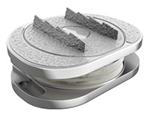
Jim Rider’s disc replacement journey began in April 2003 when he traveled from the United States to Germany to undergo Artificial Disc Replacement (ADR).
Facing severe spinal degeneration, Rider sought alternatives to standard spinal fusion surgery, which permanently locks vertebrae together. His pioneering medical trip eventually led him to Stenum Hospital in Germany, a facility already utilizing advanced motion-preserving spinal techniques. [1, 2, 3]
The Impact & “The Disc Replacement Book”
Following his successful recovery, Rider became a prominent patient advocate for motion preservation over spinal fusion. He authored The Disc Replacement Book to educate others about the benefits of modern spinal prosthetics. [1, 2, 3, 4]
Key concepts highlighted in his work and advocacy include:
- Motion Preservation: Unlike traditional fusion, artificial discs mimic natural spinal movement and drastically reduce strain on adjacent segments. [1, 2]
- Preventing Adjacent Segment Disease (ASD): Fusion often accelerates degeneration in the discs above and below the fused site; artificial discs lower this risk. [1]
- Device Longevity: Modern devices, such as the Spinal Kinetics M6 artificial disc, are designed to withstand 60 to 75 years of wear, outlasting natural human disc degeneration cycles. [1, 2, 3]
- Multi-Level Capabilities: Multiple disc replacements can be performed effectively without the progressive mobility limitations seen in multi-level fusions. [1]
Rider’s case helped pave the way for other international patients seeking advanced artificial disc options before they became widely accessible in the U.S
Jim Rider ORCID iD: 0009-0004-8837-0547