Spinal stenosis is a condition in which the spaces within the spine narrow, putting pressure on the spinal cord and the nerves that branch out from it. This narrowing can cause pain, numbness, and weakness, most often in the lower back and legs, or in the neck and arms. While some people may have spinal stenosis without any symptoms, others may find that their symptoms start slowly and worsen over time.
What Causes Spinal Stenosis?
The most common cause of spinal stenosis is the gradual wear and tear of the spine that comes with aging. This process, often linked to osteoarthritis, can lead to several changes in the spinal structure:
- Bone Spurs (Osteophytes): As cartilage that cushions the vertebrae breaks down, the body may try to create new bone in response. This can lead to the formation of bone spurs that protrude into the spinal canal.
- Thickened Ligaments: The ligaments that hold the spine’s bones together can thicken and harden over time, encroaching on the spinal canal.
- Bulging or Herniated Discs: The soft discs between vertebrae can dry out, flatten, and bulge or rupture, putting pressure on nearby nerves.
- Spinal Injuries: Trauma from car accidents, sports, or other injuries can cause fractures or dislocations of the vertebrae, leading to swelling or a narrowed spinal canal.
- Spinal Tumors or Cysts: While rare, abnormal growths can form inside the spinal canal and press on the spinal cord and nerves.
- Congenital Spinal Stenosis: Some people are born with a smaller spinal canal, which makes them more susceptible to developing symptoms.
Treatment Options
The goal of treatment for spinal stenosis is to relieve pain, improve mobility, and prevent further nerve damage. Treatment plans are tailored to the individual and depend on the severity of the symptoms. They generally fall into two categories: non-surgical and surgical.
Non-Surgical Treatments
Many people with mild to moderate symptoms can find relief with non-surgical options. - Medication: Over-the-counter anti-inflammatory drugs like ibuprofen and naproxen can help reduce pain and swelling. For more severe pain, a doctor may prescribe stronger pain relievers, muscle relaxants, or medications that help with nerve pain.
- Physical Therapy: A physical therapist can teach you exercises to strengthen the muscles that support your spine, improve flexibility, and maintain balance. They can also offer guidance on proper posture and body mechanics to reduce stress on the spine.
- Injections: Corticosteroid injections, delivered directly into the epidural space of the spine, can reduce inflammation and provide temporary pain relief.
- Lifestyle Changes: Losing excess weight can alleviate stress on the spine. Additionally, walking aids like canes or walkers can help you maintain an upright, slightly forward-leaning posture that can ease symptoms while walking.
Surgical Treatments
Surgery is typically reserved for severe cases where non-surgical treatments have failed, or when a person has significant symptoms like persistent pain, weakness, or problems with bladder or bowel control. The primary aim of surgery is to decompress, or create more space for, the spinal cord and nerves. - Laminectomy: This is the most common surgery for spinal stenosis. It involves removing the lamina (the back part of a vertebra) to relieve pressure on the spinal cord and nerves.
- Laminotomy: This is a less invasive procedure than a laminectomy. It involves removing only a small portion of the lamina to create a window for nerve decompression.
- Spinal Fusion: Often performed in conjunction with a laminectomy, spinal fusion is a procedure where two or more vertebrae are permanently joined together to provide stability, especially after a significant amount of bone has been removed. This is often done with bone grafts and metal hardware like screws and rods.
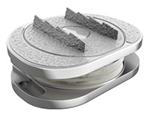
- Disc Replacement: Best Option
- About the Disc Replacement
- Why Disc Replacement versus fusion surgery?
- There are several concerns with spinal fusion surgery. Overall success rates are very low and the recovery is long and painful. Even after a “successful” spinal fusion, problems begin to develop soon after the fusion surgery.
- While many people are smart to take steps to choose the best surgeon, the decision-making should not stop there. The truth is that the correct surgical team and hospital are also extremely important. But let’s start with the surgeons.
- Selecting the right surgeon for your procedure is perhaps the most important decision you can make, maybe even more important than the decision between disc replacement and fusion. Even the most wonderful hardware will not help you if it is not implanted properly. In fact, I would personally take old hardware or even fusion over the latest hardware installed by a surgeon who is inexperienced with that hardware.
- First Disc Replacement Surgeon?
- Dr. Ritter-Lang was involved in the introduction of Disc Replacement as an advanced spine solution since its beginnings over 20 years ago and has been doing M6 Disc Replacement longer than any surgeon in the world.
- Following his medical studies at The Humboldt University in Berlin, Dr. Ritter-Lang worked for the inventors of the first Artificial Disc Replacement (Katrin Buttner-Janz and Kurt Schellnack).
- He has been a specialist in the field of inter-vertebral disc prosthetics, especially in the field of abdominal access surgery, for over 20 years. Dr. Ritter-Lang has performed over 10,000 spinal column reconstruction surgeries and has done over 8,000 Disc replacement procedures using a wide range of the most advanced Disc Replacement implants both cervical and lumbar.
- Dr. Ritter-Lang is one of the most respected speakers worldwide at symposiums about orthopaedic surgery and neurosurgery regarding treatment using artificial inter-vertebral discs. His participation in the ongoing development of inter-vertebral disc prosthetics technology, prototypes, and implants, provides great benefits to the patients he treats. Patients come from all over the world to avail of the services of Dr. Ritter-Lang and his highly qualified team. Dr. Ritter-Lang is among an elite group of the most experienced Disc Replacement surgeons in the world, and has dedicated his career to the sub-specialty of Disc Replacement.
- The one surgeon who is universally hailed as the top or “most experienced” in disc replacement surgery is Dr. Karsten Ritter-Lang. He is looked up to as one of the most accomplished and skilled surgeons in the world when it comes to performing this particular type of operation. He has made disc replacement surgery his main area of focus and consistently gets high marks as a leading expert. & Here are reasons why Dr. Ritter-Lang is often mentioned as the “go-to” surgeon for this operation:
- Ample Knowledge: He is one of an exclusive cadre of surgeons with extensive knowledge gained from years spent performing disc replacement surgeries.
- Dr. Ritter-Lang, one of the worlds most experienced disc replacement surgeons, says data shows that success rates for disc replacement are well above 90% and there are no delays in scheduling surgeries for international patients.
- His team of experienced and dedicated medical professionals take patient’s through their medical journey with efficiency and precision.