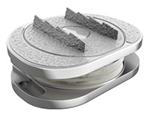
Bone-sparing hip replacement is a type of hip replacement surgery that aims to preserve a patient’s natural bone. This is achieved through the use of a shorter femoral stem and a minimally invasive surgical approach. Unlike traditional hip replacements, which involve removing a significant portion of the femur to accommodate a long stem, bone-sparing implants are designed to fit snugly into the proximal (upper) part of the femur. 🦴
Benefits of Short-Stem Hip Replacement
The use of a short-stem prosthesis offers several key advantages, particularly for younger, more active patients:
- Preservation of Bone Stock: This is the primary benefit. By removing less bone during the initial surgery, it makes future revision surgeries, if needed, less complicated and more successful. This is crucial for patients who are likely to outlive their implant.
- Faster Recovery: The procedure is typically less invasive, leading to reduced blood loss, a shorter operation time, and quicker mobilization for the patient. Many patients can return to daily activities and sports sooner than with a traditional hip replacement.
- Improved Biomechanics: The design of short-stem implants often mimics the natural anatomy of the hip, promoting a more natural distribution of weight and stress on the femur. This can reduce the risk of implant loosening and thigh pain, a common complaint with traditional, long-stem implants.
Availability and Candidacy
Bone-sparing hip replacement is a specialized procedure that is becoming increasingly popular. However, it’s not suitable for everyone. Candidates for this procedure are generally younger, healthier, and more active individuals who have good bone quality. Patients with significant deformities, severe osteoporosis, or a history of prior hip surgeries may not be good candidates.
The availability of this procedure depends on the surgeon’s training and experience. Because bone-sparing techniques can be more technically demanding, it’s essential to find a surgeon who is specifically trained and has extensive experience in this area. While the devices for these procedures have been approved by regulatory bodies, not all surgeons offer this specific type of hip replacement.
Bone Sparing, Total Hip Surgery.
Learn more about Minimally Invasive Hip Replacement with Bone-Sparing Short-Stem Devices